
What Is Performance Marketing? A Complete Guide for Beginners
In today’s fast-paced digital landscape, marketers are constantly seeking effective ways to maximize their advertising budget and ensure the strongest possible return on investments(ROI). If you’ve heard the term but still wonder, what is performance marketing?, this guide is for you.
What Is Performance Marketing?
Performance marketing is a data-driven digital marketing strategy where advertisers only pay for specific actions: such as clicks, leads, or sales ,instead of for ad placements or impressions. Unlike traditional advertising, which often involves paying upfront for ad space regardless of results, performance marketing puts results front and center.
In short, Knowing what is performance marketing helps businesses embrace strategies focused on paying for actual results, not just ad exposure.
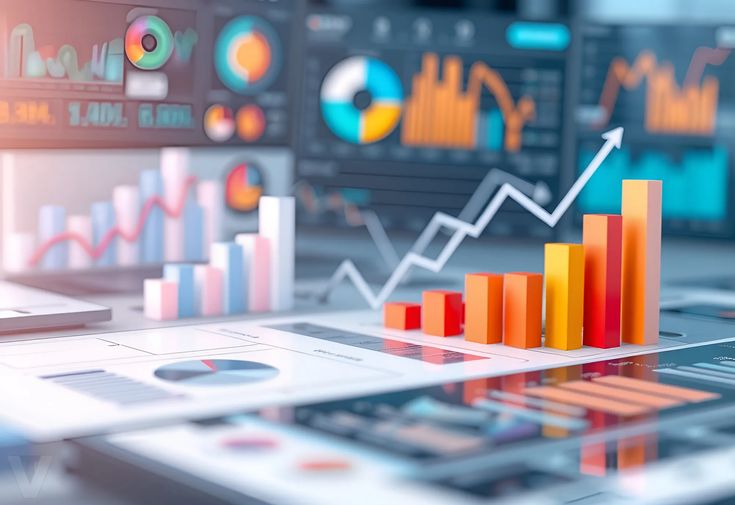
How Does Performance Marketing Work?
Performance marketing campaigns typically use online channels, including:
- Search Engine Marketing (SEM): Advertisers bid for placement in search engine results.
- Affiliate Marketing: Publishers promote a business and are paid when users complete predefined actions.
- Social Media Advertising: Marketers pay for clicks, likes, shares, or conversions on platforms like Facebook, Instagram, or LinkedIn.
- Native and Display Advertising: Ads are shown across various websites to drive traffic, with payment based on clicks or acquisitions.
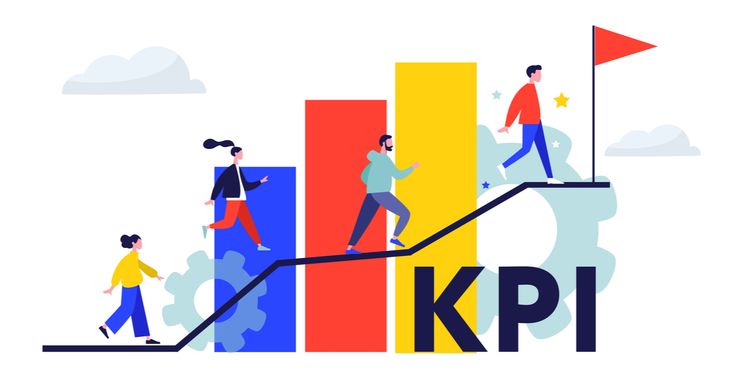
When running a performance marketing campaign, advertisers define the desired action known as a Key Performance Indicator(KPIs). Common KPIs include:
- Cost Per Click (CPC)
- Cost Per Acquisition (CPA)
- Cost Per Lead (CPL)
- Cost Per Impression (CPM – less common in strict performance models, but still relevant)
Why Is Performance Marketing Important?
Performance marketing offers several distinct advantages:
- Accountability: Since you only pay for results, your marketing spend is always tied directly to tangible outcomes.
- Measurability: Performance marketing platforms provide detailed analytics, helping you understand what’s working.
- Flexibility: Campaigns can be fine tuned in real time to maximize Return on Investments(ROI).
- Scalability: With the right mix of channels and partners, you can rapidly increase campaign reach.
Common Examples of Performance Marketing:
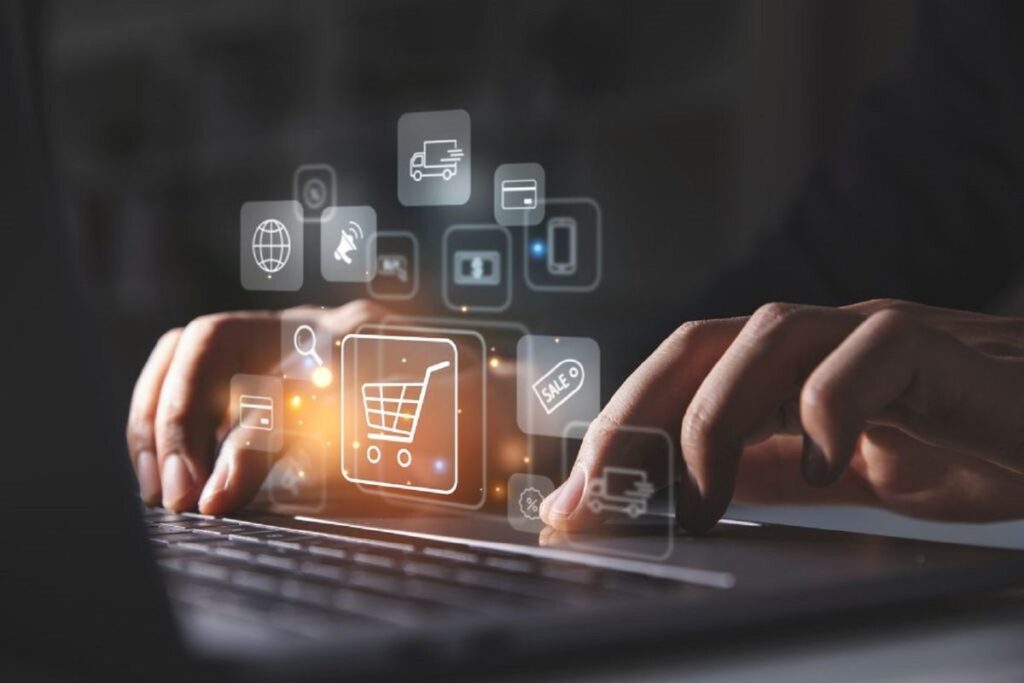
- E-commerce Brands running affiliate programs that pay commissions only when a sale is made.
- App Developers using cost per install (CPI) campaigns to acquire new users.
- B2B Companies leveraging LinkedIn ads, paying only when a form is filled out.
Getting Started with Performance Marketing
Ready to see real results from your advertising spend? Whether you’re new to digital marketing or looking to boost your Return on Investment(ROI), performance marketing is a strategy worth exploring.
Start your performance marketing journey today:
- Identify Your Goals: Decide which actions are most valuable for your business.
- Choose Your Channels: Select platforms where your audience is most active.
- Set Up Tracking & Measurement: Implement tools (like Google Analytics or Facebook Pixel) to measure results.
- Optimize and Scale: Use campaign data to refine your messaging and targeting for the best results.
Conclusion
So, what is performance marketing?
Simply put, it’s a results focused approach to digital advertising that allows businesses to pay only for measurable actions, offering efficiency, accountability, and scalability. By leveraging performance marketing, brands can stretch their advertising budgets further and achieve real, trackable growth online.
As the digital world continues to evolve, performance marketing stands out as an adaptable and transparent strategy for brands of all sizes. It empowers marketers to experiment with new channels, optimize campaigns in real time, and make informed decisions based on actual data,not just assumptions or estimates. This means your business isn’t paying for empty promises, but for genuine engagement and conversion.
Whether you’re a startup looking to build your customer base or an established company seeking predictable ROI, integrating performance marketing into your overall strategy can unlock new levels of growth and efficiency. By focusing on outcomes, you stay ahead of the competition and ensure that every advertising dollar works as hard as possible.
Have questions or want tailored advice for your business?
Contact today or subscribe to our newsletter for the latest tips on performance marketing strategies and trends!
Frequently Asked Questions (FAQs)
1. Why is it important to understand what is performance marketing?
Understanding what is performance marketing helps businesses focus their resources on channels that deliver measurable results, ensuring higher ROI from advertising campaigns
2.What is performance Marketing? VS What is Traditional Marketing?
When asking what is performance marketing? – it’s helpful to know it focuses on paying for specific, measurable actions like clicks, leads, or sales, whereas when it comes to what is traditional marketing? – it usually requires upfront payments for ad space regardless of outcomes.
3.What are the most popular channels used in performance marketing?
Common channels include affiliate marketing, pay-per-click (PPC) advertising, social media ads, influencer partnerships, and display or native advertising networks.
4.Is performance marketing suitable for small businesses?
Yes! Because you only pay for measurable results, performance marketing is a cost effective option for small businesses looking to maximize ROI and scale campaigns efficiently.
5.How can I measure the success of a performance marketing campaign?
Success is tracked using metrics which is referred as Key Performance Indicators(KPIs) like cost per acquisition (CPA), cost per lead (CPL), click-through rates (CTR), and return on advertising spend (ROAS), all of which provide actionable insights.
6.What is performance marketing’s role in multi channel campaigns?
Exploring what is performance marketing reveals its impact: it enables brands to track which channels like social media, PPC, or influencer campaigns that drive the most valuable actions