
Paid Media vs. Performance Marketing: Understanding the Connection
If you’re new to digital marketing, you might have heard the terms “paid media” and “performance marketing” but wonder what exactly they mean and how they relate. Let’s break it down in simple terms with real-life examples and data to help you understand.
What is Paid Media?
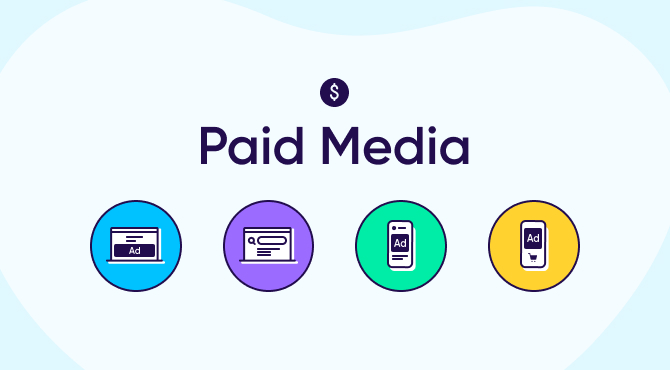
Paid media is like renting a billboard, but online. It means a business pays platforms like Google, Facebook, or Instagram to show their ads to people. For example, a toy company launching a new game might pay Google to show ads to parents searching online for “best kids’ games.”
Paid media is huge today. Globally, companies spent about $733 billion on digital ads in 2023, and this is growing every year. Around 80% of companies rely on Google Ads to get clicks and traffic to their websites.
Paid ads can appear in many forms: search ads, social media posts, video ads, banners, and more. This helps businesses reach the exact audience they want quickly.
What is Performance Marketing?
Performance marketing is a type of paid marketing with a special twist: advertisers only pay when something specific happens. This could be when someone clicks the ad, fills out a form, or buys a product. It’s like paying for results, not just for showing the ad.
For example, a sports brand may run a performance marketing campaign that only charges them when someone buys running shoes after clicking the ad. This makes sure they get real value for their money.
Performance marketing is very data-driven. Marketers track numbers like
- click-through rates (how many people clicked the ad) ,
- conversion rates (how many bought something), and
- return on ad spend (how much money they made compared to what they spent).
How Paid Media and Performance Marketing Work Together

- Paid media gives you the road and the billboard space to show your message.
- Performance marketing is the smart driver who makes sure you only pay for the journey if you reach your destination.
When you combine them, you get a powerful approach where paid media helps your ads reach the right people, and performance marketing ensures you pay only for meaningful actions like sales or signups.
Real-Life Stats to Know
- Studies show customers are up to 70% more likely to buy a product if retargeted with display ads. This is paid media working with performance marketing.
- 84% of brands say their pay-per-click (PPC) ads drive positive business results.
- Global social ad spending is projected to reach nearly $277 billion in 2025, showing more businesses are investing in paid media to drive performance.
- TikTok ads offer an average return on ad spend (ROAS) 2.4 times higher than traditional display ads, highlighting emerging trends in paid media combined with performance focus.
Why It Matters to You
Imagine you want to sell chocolate bars online. If you run paid ads without performance tracking, you might pay for many people to see the ad but not buy anything. With performance marketing, you only pay when someone actually buys the chocolate, making your advertising budget smarter and more efficient.
Conclusion
Paid media and performance marketing go hand in hand: paid media opens the door to your audience, and performance marketing makes sure you earn money for every step they take inside. Together, they help businesses grow by focusing on results, not just visibility.
Want to boost your business growth with expert performance marketing? As a freelance specialist based in Abu Dhabi, I help brands like yours maximize ROI through targeted paid media campaigns. Contact me here to discuss how we can work together and start driving real results today!
To read more such blogs: stories of Snekha Boopathy